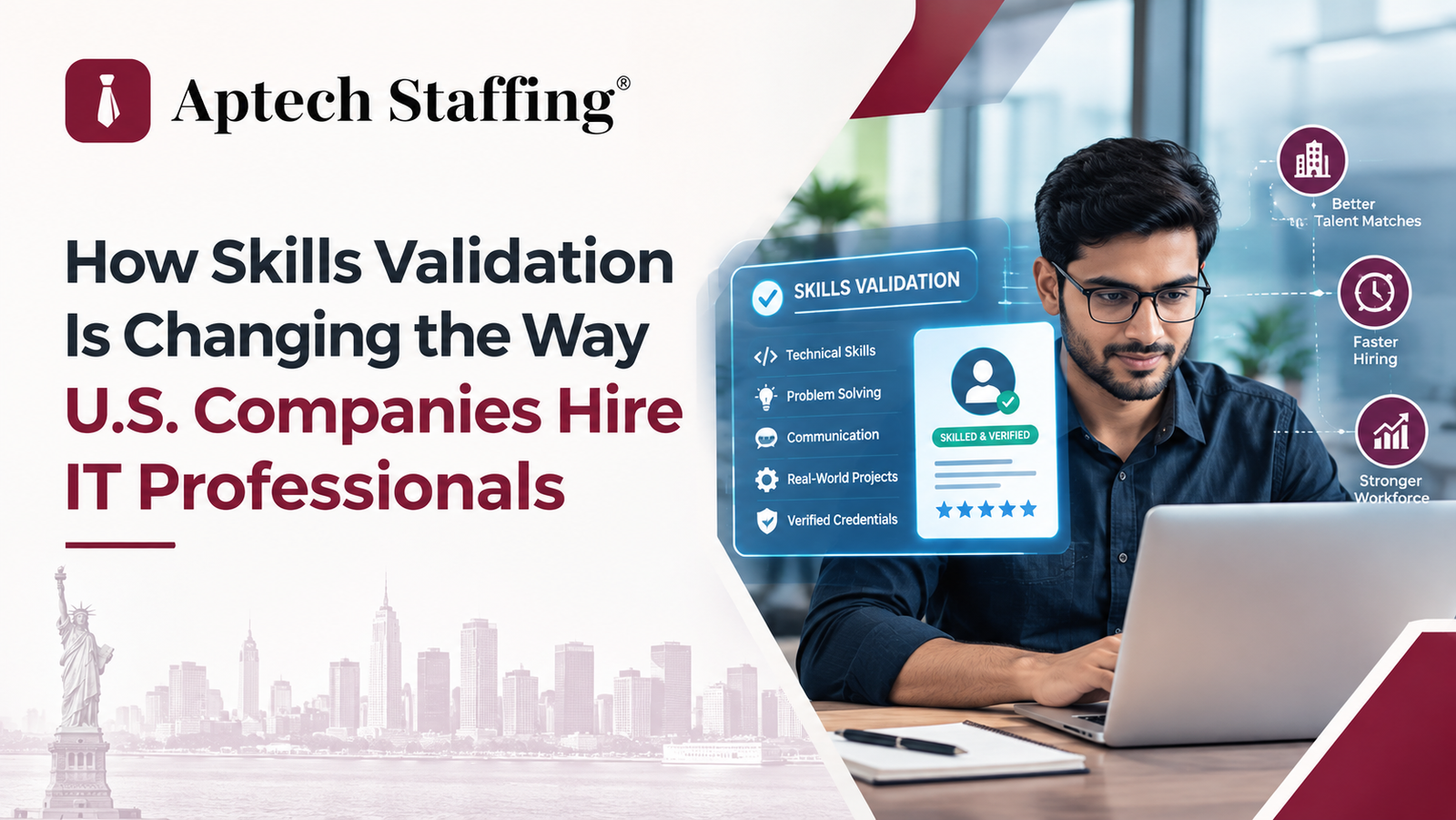
Go anywhere this year to have a job talk and there’s something different. Today, recruiters aren’t looking for just degrees, they are looking for proof. Evidence of a successful demonstration of competency, not just talk. “What can this person do without three months of training?” is the one question that employers are increasingly asking before the interview is set, and that is us at Aptech Staffing, best staffing agency in USA, on the front line of the shift on a daily basis.
The question is changing the thinking of job seekers about their careers. And more frequently than not, a certification.
Why Certifications are more Valuable than Ever
The job market has shifted from credentials to skills. The job market has been shifting from credential to skills. There are now several big employers who will admit they’re going to look at a certificate rather than a degree if two candidates arrive with comparable experience. This is no small change, this is a re-write of the hiring rulebook.
Based on the experience we have seen for the past decade with the dozens of companies we have worked with as recruiters, certifications are effective because they are a miniaturisation of risk. An HR representative who’s looking through 40 resumes isn’t going to take the time to check out all this information. It does that verification for them in a way that is recognized. It implies the following: this person was tested, this person passed a standard, this person did not simply read a few tutorials and consider this expertise.
Employers are looking for this type of trust — and that’s why it matters to pick the right certification and not any certification going into 2026!
The certifications that employers are really seeking
- AI and applied machine learning skills
Across almost all departments – and not just engineering – AI literacy is no longer expected to be a “nice to have“. Training such as the Google Professional Machine Learning Engineer certificate or applied generative AI courses indicate that the student is able to collaborate with AI systems, but not replace them. Even marketing, finance and operations professionals are combining their main industry certifications with a quick and easy AI credential for competitive edge.
- Cloud computing certifications
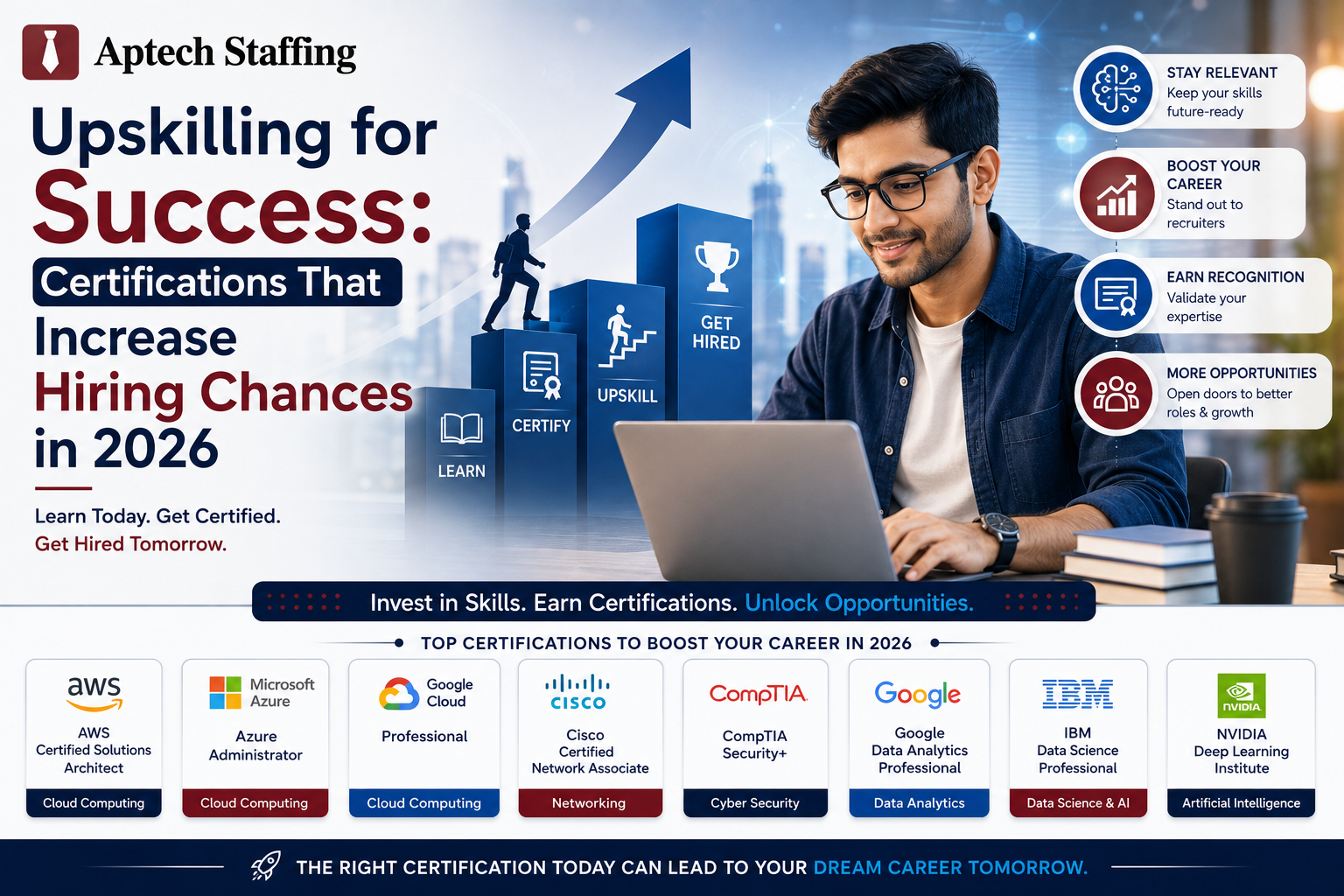
Cloud skills continue to be among the top-paid best in-demand certifications in the market. Hybrid and multi-cloud environments aren’t disappearing and are continuing to grow, making certifications like AWS Certified Solutions Architect, Microsoft Azure and Google Cloud valuable, as evidenced by the high salary premiums. For those who are aiming for IT infrastructure, DevOps or systems, it’s here where the demand is the loudest for employers.
- Cybersecurity certifications
Threats are becoming more sophisticated and the cybersecurity workforce shortage continues while it is between 1 million and 3 million jobs short and security credentials are virtually mandatory. CompTIA Security+ is still the go-to qualification and CISSP is the go-to for those preparing for senior-level security careers. Even those who are not in specialized security roles should be familiar with basics of security — no longer a specialty.
- Project management certifications
The PMP certification continues to be one of the most sought-after qualifications in diverse industries, with the recent updates focusing heavily on agile approaches, AI-driven project delivery and hybrid project structures. If you’re newer to the industry, the CAPM might be a viable option for you and it’s an excellent way to get a head start before you dive into the deep end of the pool with the full PMP. Employers appreciate certified project managers because they possess the ability to think structured in a pressurized situation, a trait which is useful in any tech, health care, construction or finance career.
- Data analytics certifications
Whether it’s tracking marketing efficiency or predicting supply chain outcomes, all parts of a modern business today depend on data. Whereas a certificate such as Google Data Analytics Certificate offers hands-on, tool-specific training in things like spreadsheets, SQL and visualization, hiring managers can easily transfer that training to the job. These are particularly useful for career changers as a lot of them don’t need any technical experience.
- Foundational IT certifications
Not all candidates want to pursue a top-tier position in architecture just from the beginning. CompTIA A+ and Network+ continue to be solid foundations for climbing the IT support careers and junior cloud and systems administration paths. They aren’t a sign of expertise but rather an indication of preparedness and recruiters continue to view them as a doorway for job changers.
So while there are certifications out there, they don’t land you a job, but here are the other factors that do.
This is where we are helpful, due to our hands on experience collaborating directly with the hiring teams. People tell us this repeatedly, says one of the recruiters: getting a certificate is all right but getting a certificate and hands-on work is the key to getting hired. A line on a resume can become a believable story with a portfolio project, a lab exercise documented in a lab report or an actual client project.
When you’re considering what to study next, think of two questions. Firstly, does this certification align with job openings in the field of interest in which you are interested? Secondly, have you got something concrete, something tangible, something that you can show, something that you can measure, something that you can talk about which will show someone that you know that you can do what you learned?
How certifications are converted into offers
Getting a certification is only part of the deal. An even bigger part — the other half — relates to getting it in front of the right employer, which is where staffing expertise really comes into play. Our recruiters are familiar with the qualifications that certain employers are looking for today, how to incorporate your certification into your resume and force the resume to “pass” an applicant tracking system, and how to practice you for interview questions that actually assess whether your certification demonstrates the skills you have.
We’ve seen candidates who have the correct certification who are placed correctly go from application to offer in record time. That’s not luck. It is the outcome of an alignment of validated skills with employers who are actively seeking the same skills.
Final thoughts
The world of 2026 will value people who consider certifications an investment in specific career pathways—not a piece of paper to look at. Get credentials that are tied to jobs that are in demand, support them with real work and collaborate with a staffing team that is familiar with the correlation of new skills to interview requests. It’s a combination of these things — not certifications alone, that will make you more likely to get hired this year.
Looking to try out your new abilities? Talk to Aptech Staffing, best staffing agency in USA today and let’s match you up with a role that’s right for you.
Frequently Asked Questions (FAQs)
What certifications truly boost job prospects in 2026?
Employers are actively seeking the most in-demand certifications for 2026, including cloud (AWS Certified Solutions Architect, Microsoft Azure), cybersecurity (CompTIA Security+ and CISSP), project management (PMP and CAPM), data analytics (Google Data Analytics Professional Certificate) and applied AI/machine learning (Applied AI Professional Certificate and Google Machine Learning AAI Professional Certificate). CompTIA Computer User Support Technician (CUSAT) and Network+ are also popular certifications that are good starting points for job changers.
Are certifications more important than college?
Many employers now consider them equal, and in some fields (such as IT, cybersecurity and data) they don’t consider any to be more important. The focus of hiring has changed from degrees to skills; length of residency does not necessarily determine the importance of the validated, skills-based assessment that demonstrates the capacity to perform a job, especially when combined with project practical experience.
Should one take one or several certifications?
While a single well-chosen certification can open doors, there is no better way to add experience to a job search than for a certification to be paired with work, whether a portfolio project or a real project outcome. It also becomes more popular and useful to have a smaller, complementary certification, such as getting a project management certificate with a light AI certificate.
What is an average time period for getting an in-demand certification?
It is dependent upon credential. Programs such as CompTIA A+ or Google IT Support can be finished at a part-time rate in a couple of months. Advanced certifications, such as PMP or CISSP, typically take longer to earn and will have experience requirements before you can take the exam.
What aids do Aptech Staffing provide for candidates with certifications to get hired quicker?
Aptech Staffing’s recruiters have fair idea of which certifications are in demand today by specific client companies and know how to showcase them properly on candidates’ resumes and guide them for interview questions that test real and applied capability. This matching with a specific goal makes it possible for certified candidates to speed up their job transitions from application to offer.