Gen Z is revolutionizing the workplace and hiring process.Gen Z is transforming the work culture and hiring approach.
If you enter into any office place in the present day, you’ll see something different in the air. It’s not a piece of furniture, it’s people. The Generation Z has taken center stage, infused the entry level job with higher stringency and internships, now even the mid-level positions. They are not just adjusting to norms of the workplace of the older generations. They’re rewriting them.
Every day at Aptech Staffing, we’re out there connecting candidates with clients, so we’re in the best position to catch how expectations are evolving from both sides of the hiring table. This is no flash fad. It is no more an exercise of what work is supposed to be, and companies who ignore it may end up losing key tech-savvy workers.
But Who Is Gen-Z And Why Should It Matter?
The members of Gen Z were born into a world full of smartphones in pockets and economic crisis in the background — from the 2008 recession, through a pandemic when they were in the throes of college or their first jobs, to a housing and cost of living crisis that can’t be compared to any previous generations’ experiences at the same age. That mix has created a generation that is functional, tech-savvy and has a clear idea of what it expects from a workplace.
Gen Z consumers put in a different value on trade-offs compared with millennials, known as the “passionate generation,” who were encouraged to pursue their passions regardless of the compensation. They definitely want meaningful work – but they also want stability, fair pay and a life outside the office. It’s a mix of idealism and pragmatism that is transforming company culture, inside and out.
The Cultural Shift: What Gen Z Actually Wants
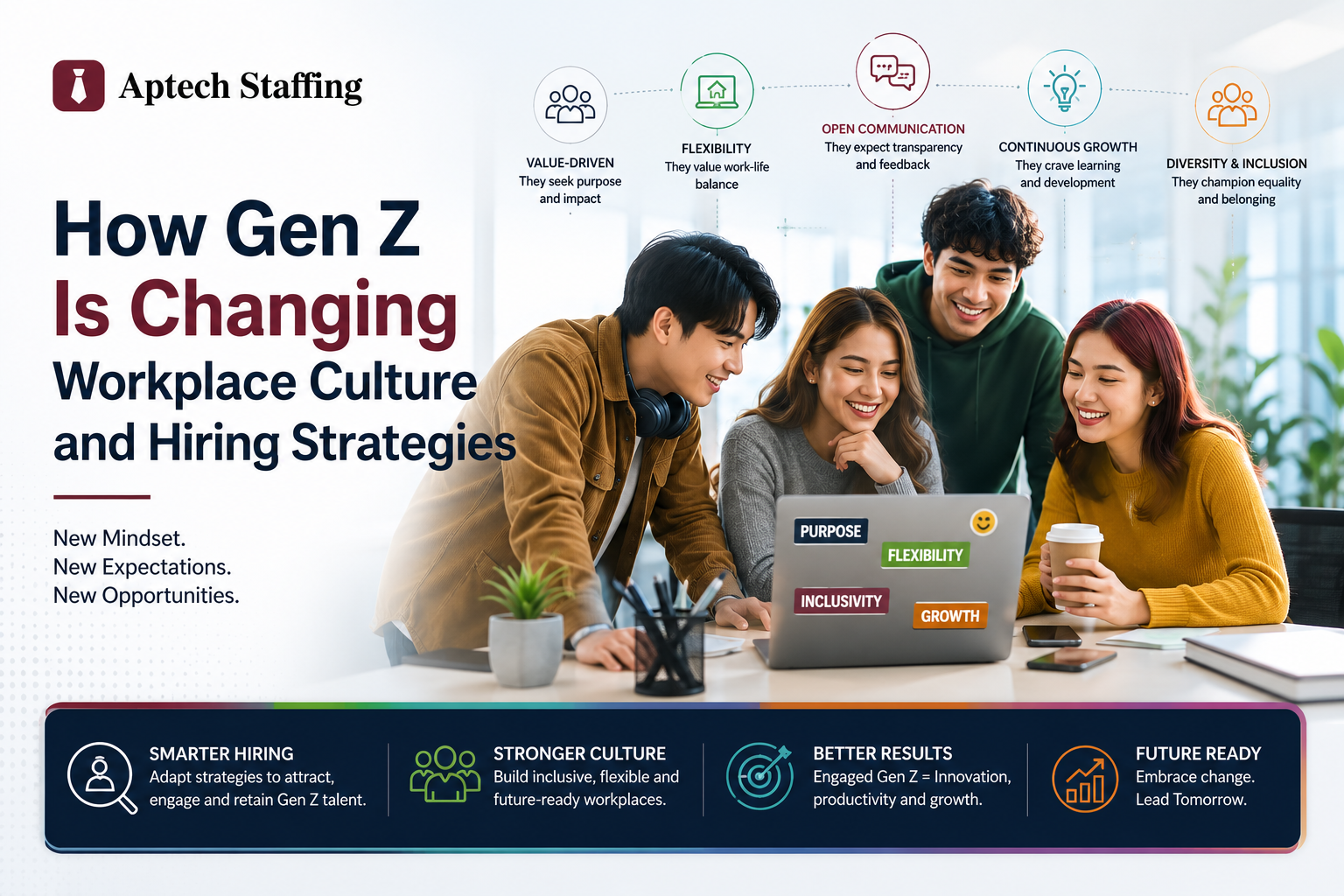
FLEXIBILITY IS NOT A BLESSING — IT IS A RIGHT. Flexible working options, such as remote and hybrid working, are not considered as charming bonuses. This traditional 9-5, 5 day-week work schedule is a thing of the past for many workers in Gen Z. If they get used to being flexible during the pandemic, they don’t tend to like it very much when they are asked to give it up when they have no reason to do so.
Talking about mental health is part of the norm. Burnout and anxiety were a taboo subject for previous generations and a fear that they would be perceived as a weakness. Gen Z is talking, loud and clear, about their therapy, boundaries, and getting burnt out — and employers are expected to have something to offer them, instead of a poster on the breakroom wall urging people to “practice self-care.
It’s about purpose, but the paycheck matters, as well. Gen Z doesn’t want to work for a company that doesn’t.Gen Z doesn’t want a company that simply doesn’t. In no way is it a lack of wisdom, however—they also have a keen interest in getting paid fairly and in a transparent manner. The requirements for salary do not apply anymore to job postings, it is expected.
Their primary quality is honesty, not politeness. The jargon and mission statements of a company don’t sound appealing to this group. They prefer to hear a manager talk about the job, spell out why it’s challenging, and then proceed to do it, rather than listen to a polished presentation that matches what the manager says doesn’t.
How Hiring Strategies Are Being Forced To Evolve
Strategies that have been around for decades are not working for Gen Z candidates, as they rely on new methods of recruitment.Playbooks dating back over a generation are not effective for Gen Z folks; they seek new strategies when it comes to recruitment.
Social Networks are now the recruiting tools. TikTok and Instagram are really channels for employer branding, albeit LinkedIn is still relevant. In fact, videos of behind-the-scenes footage, employee takeovers, or unscripted Q&A about company culture are far more likely to result in substantial engagement (likes, questions, comments) from younger applicants than a typical job posting.
Time is of the essence. After the click-and-swipe culture of their daily apps, Gen Z candidates would expect take-it-as-it-is when they come across a job application.With the ‘click and swipe’ culture of their day-to-day apps, this same expectation will be carried over to the experiences of job hunting. When the process takes too long, with no action or word of progress provided to the candidate, they may have been lured to another company that has made a quicker offer, even if the salary is not as high as the one at your company.
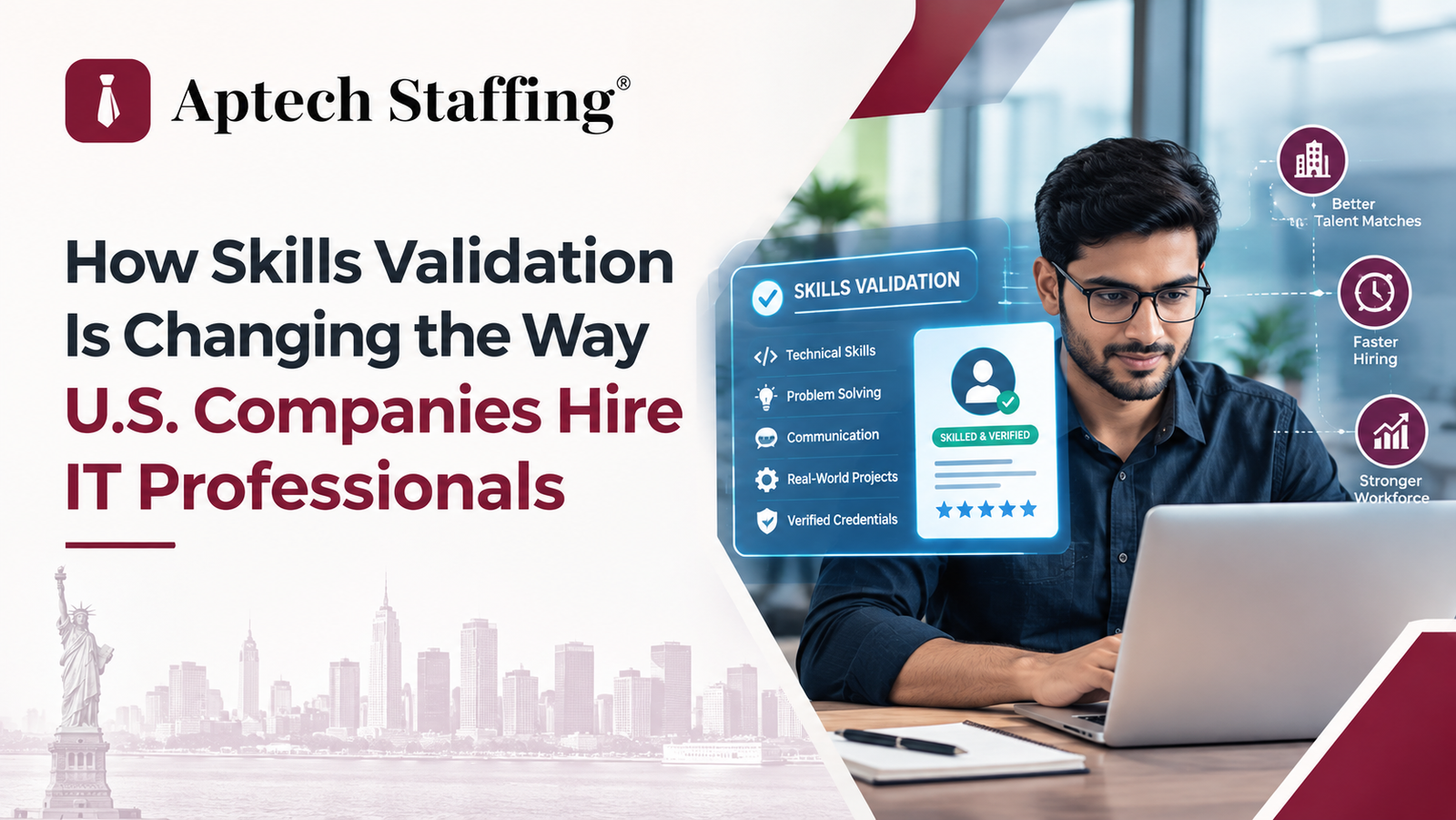
Pedigree is making way for skills. In many professions, the degree is becoming less crucial as employers learn that skills, portfolios, and certifications can tell them much more about an individual’s actual work performance than can his or her four-year college background. This change also greatly improves the talent pool, and that’s a plus for companies that are having trouble securing the right people in specific positions.
Interviews are shifting from interrogations to conversations. Google, Google Glassdoor, Googleesque employee social media posts, and Google Reddit threads — these are all things Gen Z candidates look into before applying to companies. They enter job interviews prepared to ask targeted questions about possibilities for growth, work management and work life balance. If a recruiter can’t answer the above questions truthfully, he loses credibility very quickly.
Diversity and inclusion are no longer “checkbox” activities. This generation is the most diverse in history and they see when leadership is not diverse nor is hiring. True and tangible efforts towards inclusive hiring have emerged as a point of differentiation in a competitive talent market.
The Employer’s Challenge And Opportunity: To Empower Employees And Whole Families
All of this doesn’t mean employers have to change their whole operation or business all at once. It’s the companies that are making the effort to truly listen and support their values with action that have been securing top talent. Those who are perpetuating legacy structures and a dream of any vague promise of the future are finding it more difficult to hire. Those who are committing to outdated hierarchical structures and vague promises of the future are increasingly struggling with hiring.
This is where a staffing partner makes its money. At Aptech Staffing, best staffing agency in USA, we’re here to assist you to make this generational transition a reality in the hiring process — creating job descriptions that resonate with Gen Z, for example, and developing a fast and effective interview process without compromising on quality. We also get candidates in jobs that are right for them instead of being put in a job that is not.
Looking Ahead
Gen Z does not want an unreasonable amount of anything. They expect to be paid fairly, have transparent communication, flexibility, and expect mental health to be treated as much as deadlines. Their impact, if any, is contributing to a healthier culture for work, across all generations.
The firms that understand and embrace this trend early will be the lucky ones to recruit and retain the workforce of the next 10 years. The remainder will continue to ask themselves why they aren’t getting the response they once did with their job postings.
Frequently Asked Questions (FAQs)
What sets Gen Z apart in the workplace from millennials?
In most cases, millennials were pushed to pursue their passion projects regardless of the stability. Gen Z is more practical — they are just as interested in having a purposeful job, but they are equally driven by a desire for good compensation, job stability and limits. They’ve seen the economy firsthand and are not as willing as others to make sacrifices without knowing what is to be gained from it.
So, what is Gen Z looking for in your job?
Not strictly — it’s more a both/and scenario. The majority of candidates from Gen Z want both. Flexibility (remote work, hybrid schedule, control over hours) is often seen as a norm and not a luxury, while salary transparency and good compensation are non-negotiables.
What needs to be done to change job posting for the Gen Z workforce?
Be straightforward and definite about salary range, not using corporate jargon and honest about what the job entails on a day-to-day basis. Gen Z candidates are more inclined to be attracted by specific and authentic descriptions rather than generic listings.
Why is Social Media Recruiting effective for Gen Z?
Gen Z uses social media such as TikTok and Instagram heavily and uses these platforms to research a business before applying for a role. A job board posting is not as effective at earning trust as behind-the-scenes content, employee takeovers and authentic culture posts.
What is the importance of mental health support for Gen Z employees?
Very important. Gen Z is the first generation to somehow normalize talking about therapy, burnout, and boundaries. Gen Z is the first generation to talk about therapy, burnout, and boundaries openly. They believe employers have to provide genuine assistance—flexible leave, reasonable workloads and an environment where it’s not frowned on to ask for help.
What are the most common hiring process pitfalls that cause Gen Z job seekers to dissuade from applying to a given position?
Likewise, a lack of communication following interviews. Gen Z job seekers have come to expect rapidly changing feedback cycles in everyday life and a seven- or eight-week lag in the hiring process can be a real deal-breaker for them.
Is Gen Z really interested in diversity and inclusion?
It’s a true priority, not just a talking point, as research and workplace surveys will consistently demonstrate. Gen Z candidates are not only paying attention to a company’s leadership diversity, but they are also observing, on a second-by-second basis, a company’s commitment to and its consistency in meeting its stated values.
What is the role of a staffing agency can help employers get ready for those changes?
A staffing partner such as Aptech Staffing can revise job postings, optimize the interview process, find skills-based candidates, and inform you of salary expectations for today’s talent pool — instead of following the old rules.
Is this change in workplace expectations short-term or long-term?
Unlikely. The core values of transparency, flexibility, mental health awareness and fair pay are not only part of the Gen Z’s preferences – they are also becoming commonplace among generations.